Winter RV Living

February 1, 2026

Winter RV Living

Is winter RV living really possible? Absolutely. Here are our 6 secrets to staying warm.

How We Stay Toasty Warm During Winter in Our RV (Spoiler: It's Better Than You Think!)
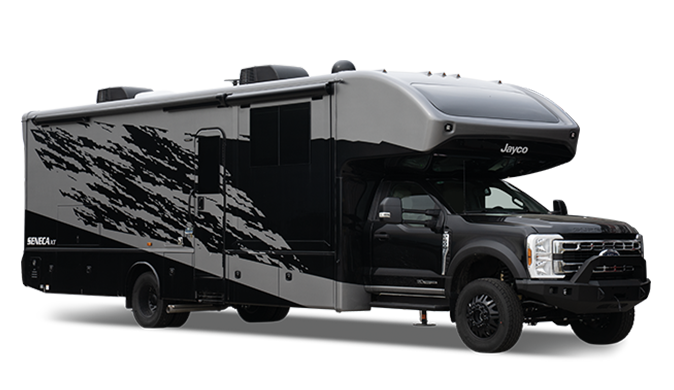
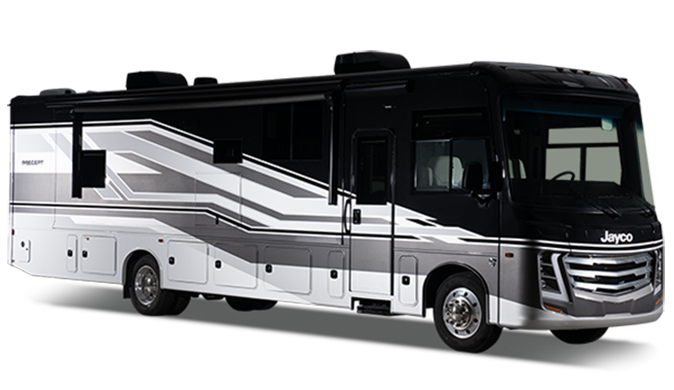
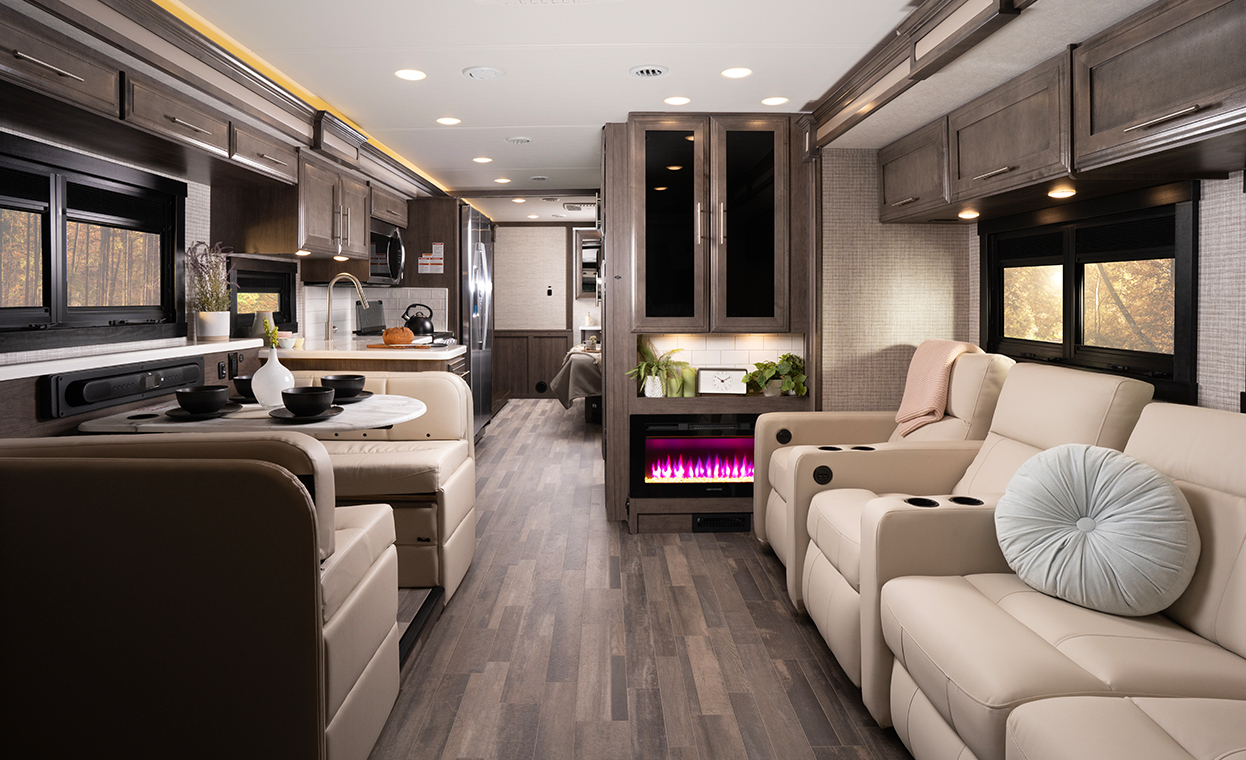
There is a common misconception floating around out there that I really want to squash today. It’s the idea that the moment the thermometer drops below 40 degrees, RV life becomes a miserable, shivering survival test. I’m here to tell you, friend to friend: That is absolutely not true. In fact, some of our favorite memories on the road have happened when the air outside was crisp, the campground was quiet, and we were tucked inside, perfectly warm. If you are looking at full-time life, or just planning some cold-weather trips, please don’t let the fear of winter scare you off the road. Today, I want to invite you into our living room, figuratively speaking, to show you exactly how we handle RV living in winter, specifically in our Jayco Seneca. We aren’t suffering; we are thriving. And honestly? It’s cozier than our sticks-andbricks house ever was. So, let’s chat about how we keep the cold out and the warmth in.

The "Scary" Myth of Winter RVing

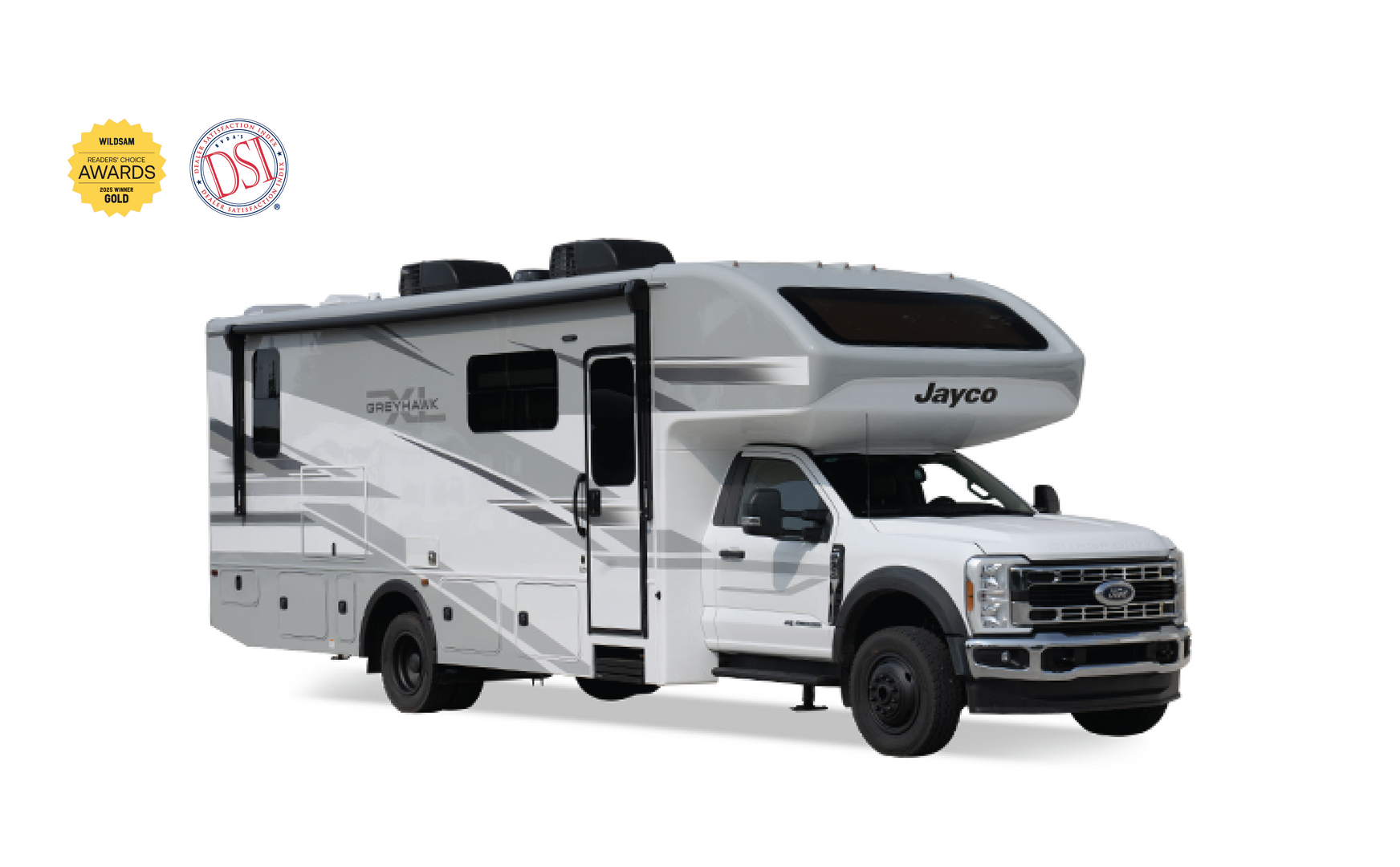
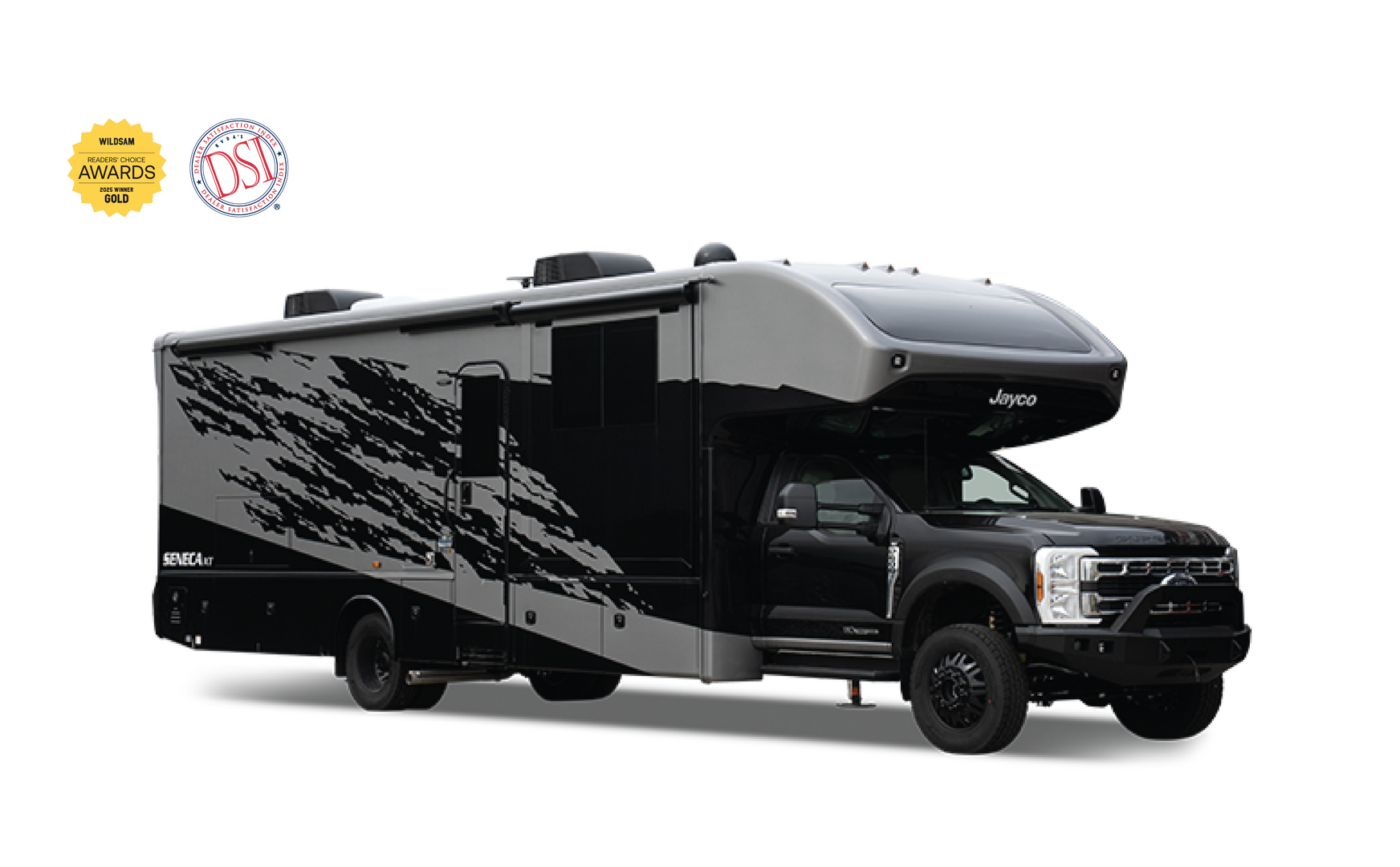
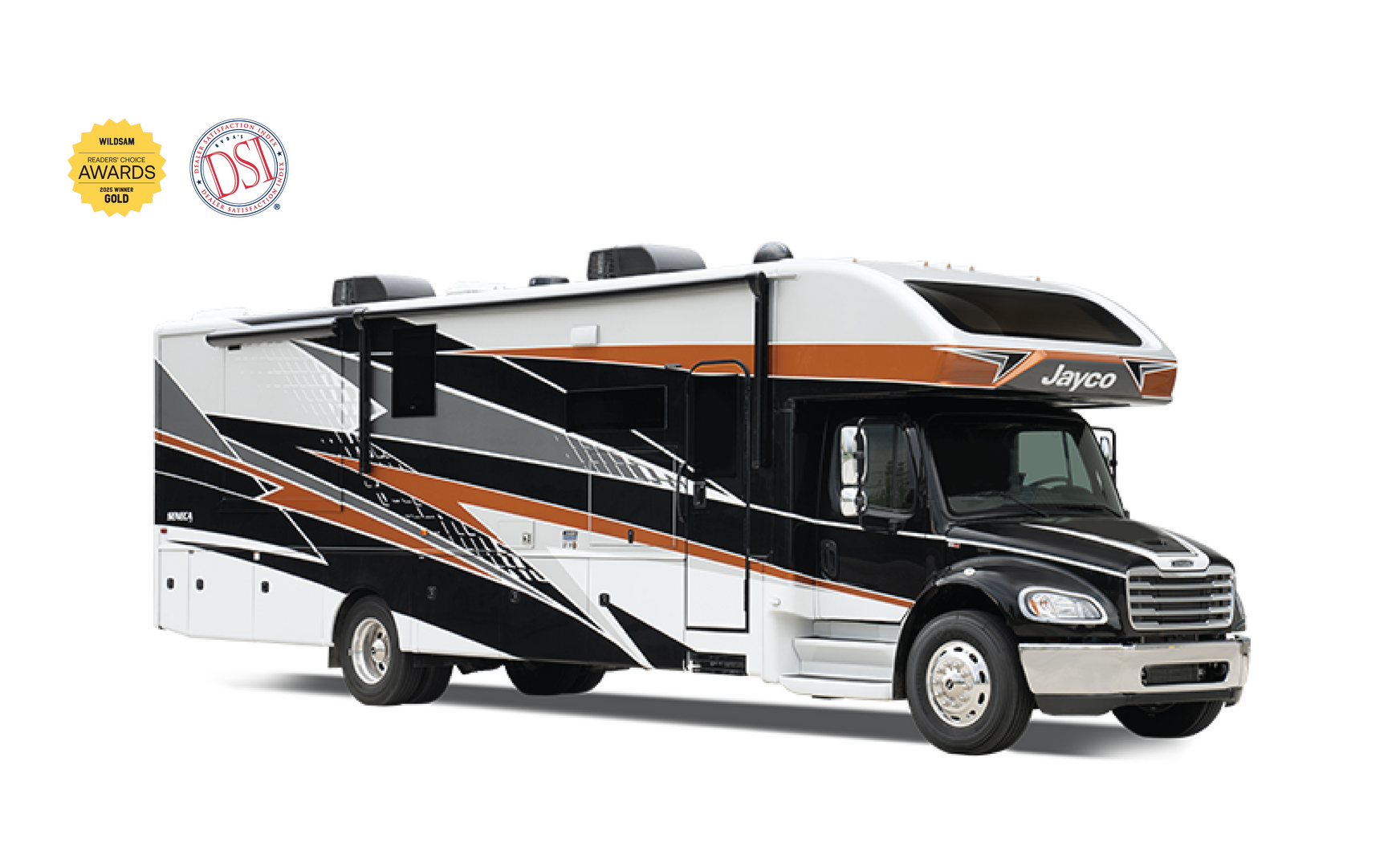
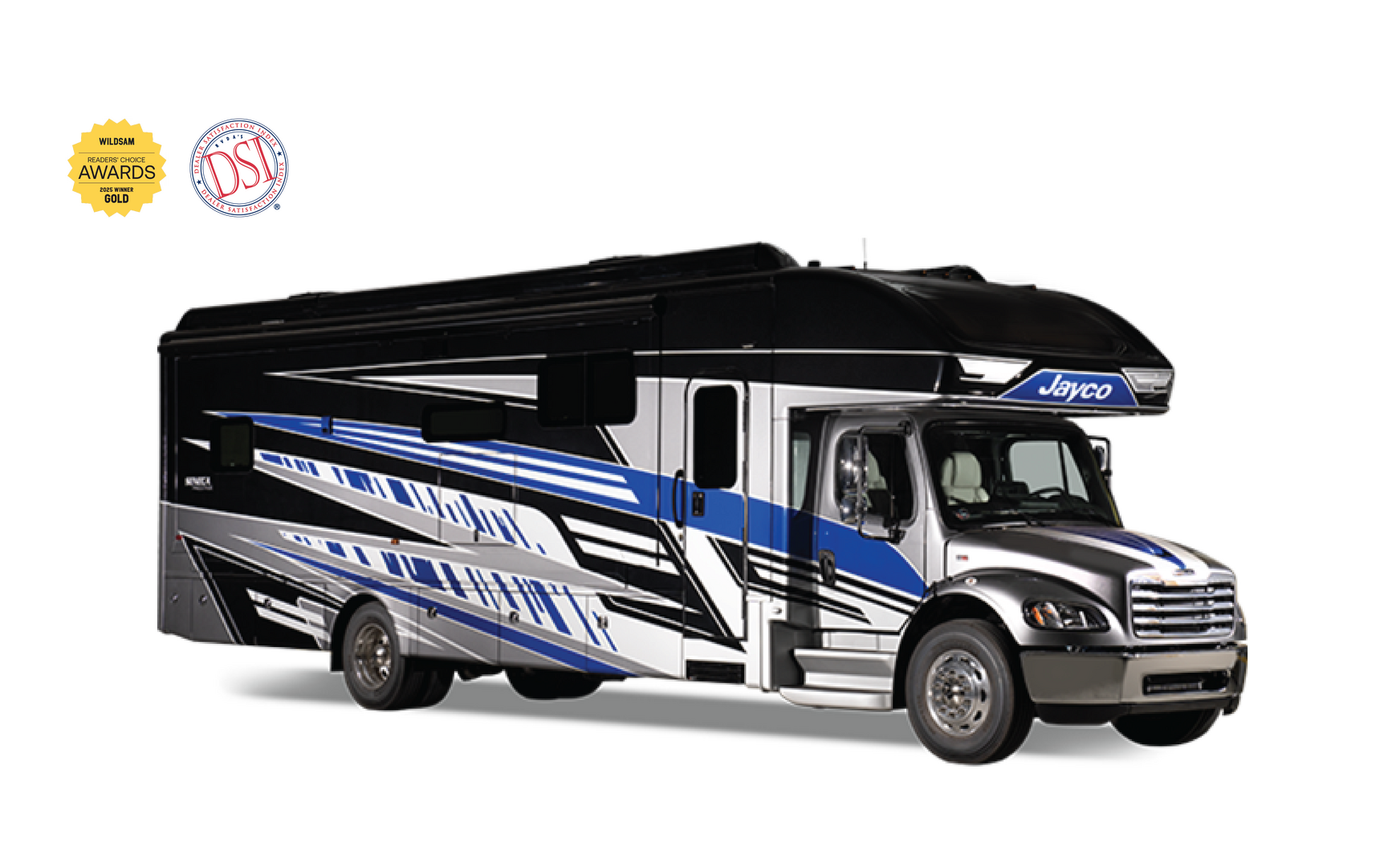
Let’s address the elephant in the room first. You’ve probably heard horror stories about frozen pipes, drafty windows, and burning through a tank of propane in a single night. Does that happen? Sure, if you take a pop-up camper with canvas sides into the mountains of Montana in January without preparation. But if you have the right rig and the right systems, winter is just another season to enjoy. When Tim and I decided to do this, we knew we didn't want to be "fair-weather campers." We wanted a home on wheels that felt like a home. That’s why we fell in love with the Jayco Seneca. It’s a Super C, which means it’s built a bit tougher than your average travel trailer, but the principles of keeping warm apply to many modern RVs. When Tim and I decided to do this, we knew we didn't want to be "fair-weather campers." We wanted a home on wheels that felt like a home. That’s why we fell in love with the Jayco Seneca. It’s a Super C, which means it’s built a bit tougher than your average travel trailer, but the principles of keeping warm apply to many modern RVs. We rely on a combination of six main heat sources to keep us comfortable. It’s not just one thing; it’s how they all work together to create a cozy environment.
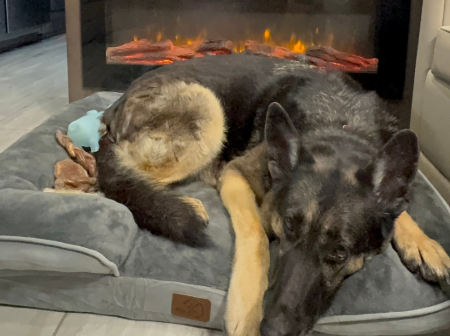
1. The Electric Fireplace: Faux Flames, Real Heat

 I used to think RV fireplaces were just a silly gimmick. Before we bought the Seneca, I looked at photos of RV interiors and thought, “That’s cute, but does it actually do anything?” Boy, was I wrong. Now, to be clear: this isn't a real wood-burning hearth. We aren't hauling logs into the RV, and there isn't a chimney. It is a 100% electric fireplace with faux flames. But don't let the "fake" look fool you, it puts out a surprising amount of real heat. It acts as a powerful space heater. When we are hooked up to shore power at a campsite, that fireplace is our first line of defense against a chill. It saves us from burning our own diesel or propane, and it warms up the main living area quickly. It’s perfect for those mornings when it’s 50 degrees outside and you just want to take the nip out of the air while you make coffee. But the biggest fan of the fireplace isn’t me, 

and it isn’t Tim. It’s Harley. If the fireplace is on, you know exactly where to find the dog. Harley loves relaxing in front of it, usually sprawled out on her bed, soaking up all that radiant warmth. It’s her happy place. Seeing her snoozing there, totally unbothered by the weather outside, is the ultimate proof that RV living in winter is doable. If the dog is happy, the house is happy.

2. Heat Pumps: Taking the Chill Off

If the fireplace isn’t quite enough, or if we want to warm up the whole rig (including the bedroom) without burning diesel or propane, we turn to our heat pumps. If the fireplace isn’t quite enough, or if we want to warm up the whole rig (including the bedroom) without burning diesel or propane, we turn to our heat pumps. For those of you new to RV terminology, here is the simple explanation: Your air conditioner units on the roof often have a "reverse" setting called a heat pump. Instead of pulling hot air out to cool the rig, they pull heat from the outside air and push it inside. We love our heat pumps because they run on electricity. If we are paying for a campsite with electric hookups, we might as well use that electricity to heat our home rather than using our own fuel! However, there is a catch you need to know about. Heat pumps are fantastic for "cool" weather, think 40s and 50s. Once you get down to freezing temperatures (around 35-40 degrees), heat pumps lose their efficiency because there isn’t enough heat in the outside air to extract. So, on a mild winter day, the heat pumps are the MVP. They keep the air circulating and the temperature steady. But when winter really shows up? That’s when we bring out the big guns.


3. The Aqua-Hot System: The Heavy Lifter

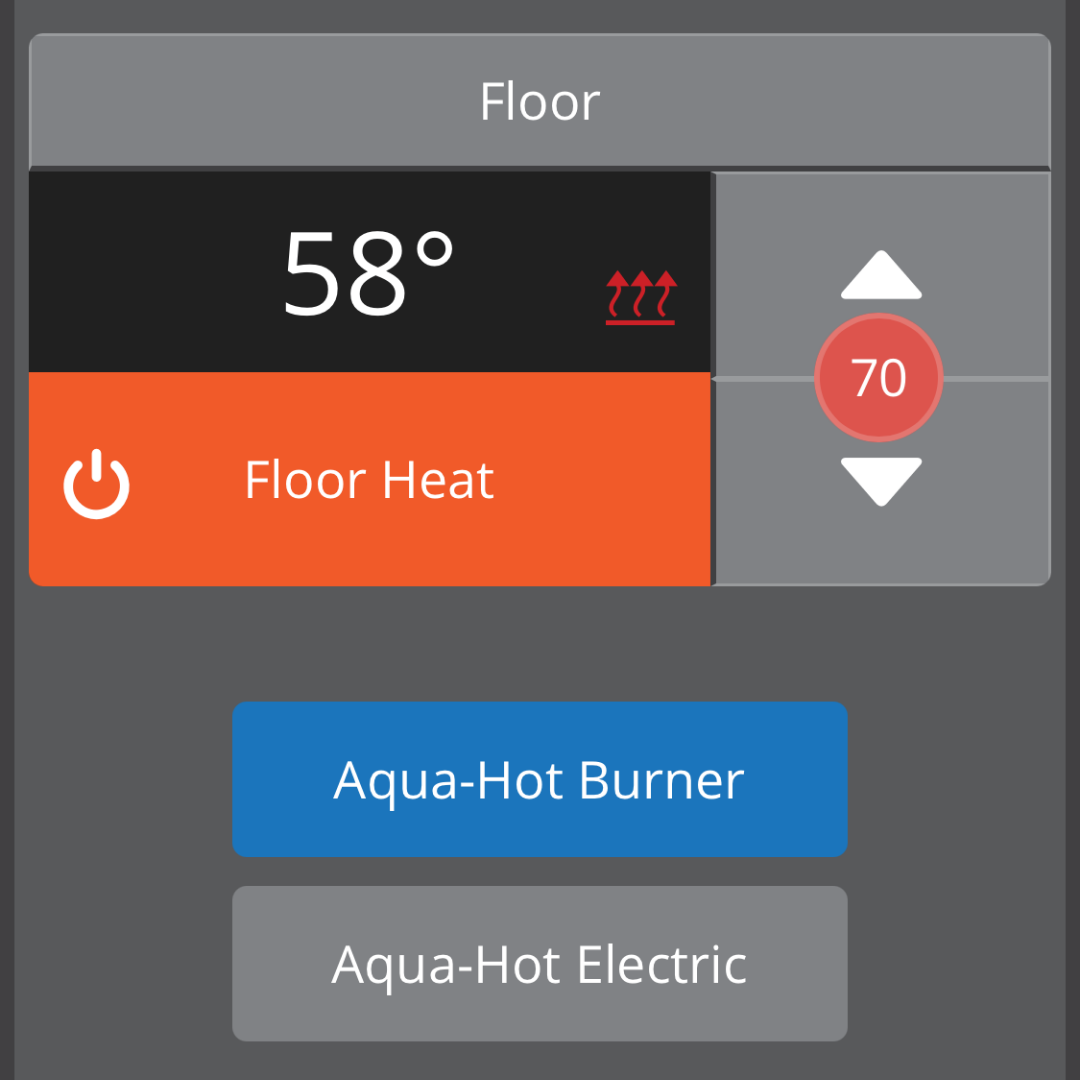
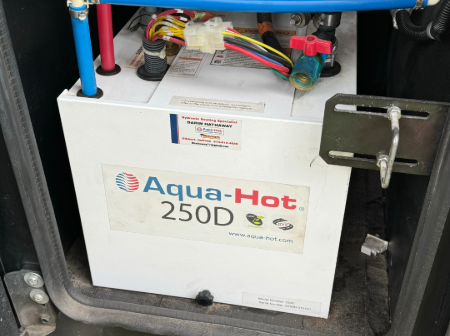
If you are looking at buying a Class A or Super C RV, you might see the term "Aqua-Hot" or "Hydronic Heating." If you see this, do a happy dance. This was a major selling point for us with the Seneca. Unlike a traditional RV furnace that burns propane and sounds like a jet engine taking off every time it cycles on, the Aqua-Hot system is a hydronic heating system. Think of it like a boiler in a luxury home. It uses diesel fuel (from our main fuel tank) or electricity to heat a liquid boiler fluid. That hot fluid is then pumped through lines wrapped around the RV to little heat exchangers with quiet fans.

Here is why this changes the game for RV living in winter:

It’s Quiet: You don’t have to turn up the TV volume every time the heat kicks on.
It’s Even: It doesn’t blast you with hot air for 5 minutes and then let the room freeze for 20. It provides a consistent, moist heat that feels very residential.
Endless Hot Water: Because the Aqua-Hot also heats our water, we can take long, hot showers even when it’s snowing outside.

When the temperature drops below freezing, the Aqua-Hot is what keeps us comfortable. It is efficient, powerful, and robust. It gives us the confidence to travel in January without worrying that our systems can't keep up.

4. Heated Tanks

No Frozen Pipes Here One of the biggest fears new RVers have is their water tanks freezing. It is a valid concern, but technology has come a long way. In our Seneca, we have heated tanks. These are essentially electric heating pads attached directly to our fresh, gray, and black water tanks. They usually run on 12-volt power, and we can flip a switch inside the RV to turn them on. This is a huge peace of mind feature. Even if the outside temperature dips below freezing, those pads keep the liquid in the tanks just warm enough to prevent freezing. Combined with an "enclosed underbelly" (which means the bottom of the RV is sealed up), the heated tanks ensure that our water keeps flowing and our tanks don’t crack. It takes the "scary" right out of the equation.

5. The Heated Blanket: Instant Cozy

This one isn't a high-tech system that came installed in the RV, but it is one of our absolute essentials. Sometimes, you just want that direct, snuggled-up warmth, and for that, we swear by our heated blanket. There is a specific kind of comfort that comes from an electric blanket. On those chilly evenings when we are binge-watching a show or reading on the couch, pulling the heated blanket over us feels like a hug. It allows us to keep the overall thermostat in the RV a few degrees lower, saving us fuel or electricity, while we stay perfectly toasty underneath. It’s also incredible for sleeping. We have one on the bed, and turning it on about 20 minutes before we go to sleep makes crawling into bed a luxury experience. No more shivering against cold sheets! It’s a simple, inexpensive addition to your RV gear that makes a massive difference in how you feel about the cold weather.

It’s also incredible for sleeping. We have one on the bed, and turning it on about 20 minutes before we go to sleep makes crawling into bed a luxury experience. No more shivering against cold sheets! It’s a simple, inexpensive addition to your RV gear that makes a massive difference in how you feel about the cold weather.

6. Heated Floors: The Ultimate Luxury

Okay, I saved the best for last. If there is one feature that makes me feel like I’m living in a palace and not a camper, it is the heated floors. In many RVs, the floor is the coldest part of the rig. Cold air sinks, and there is usually cold air circulating in the storage bays underneath the floor in some RV’s, however, we also have heated bays in our Seneca. This means even if the air in the room is warm, your feet are freezing. And as my grandma used to say, "If your feet are cold, you are cold."

Our Seneca has heated tile floors, and let me tell you, it is a game-changer. We can set a thermostat specifically for the floor. The heat radiates upward, keeping the entire rig evenly warm from the bottom up. There is nothing, and I mean nothing, better than waking up on a cold winter morning, stepping out of bed, and feeling warmth on the soles of your feet.

It also helps Harley! Since she spends her life on the floor (when she isn't on the bed, let's be real), the heated floors keep her comfortable all night long.

Managing the Environment: Moisture and Preparation
Now that you know how we stay warm, I want to share a quick practical tip. Keeping the heat on is only half the battle.

Humidity is the Enemy: When it’s cold outside and you are running the heat inside, plus cooking, showering, and breathing, condensation forms. In a small space like an RV, this can happen fast.

• Our fix: We run a dehumidifier. It’s a must-have. It pulls that moisture out of the air so the windows stay dry and the rig doesn’t feel "swampy."

The Power of Rugs: Even with heated floors, we love using area rugs. They add an extra layer of insulation and make the space feel homey. Plus, it gives Harley options: Fireplace bed or hallway rug? Tough choices for a dog! 

Why Winter RVing is Actually Awesome

I don’t want you to just survive winter in an RV; I want you to look forward to it. There is a peace that comes with winter camping. The campgrounds are emptier. The prices are often lower. The scenery is stunning, snow-capped mountains or frost on the trees in the morning is beautiful when you are viewing it from behind a big windshield with a hot mug in your hand.

We have found that by slowing down and staying in one spot a little longer during the winter, we really get to know the area. We cook more comfort food (chili in the slow cooker is a staple!), we read more books, and we spend quality time together.

Final Thoughts for the Winter RVing

If you are dreaming of this lifestyle but are waiting for the "perfect" time or are afraid of the colder months, please hear me: You can do this. You don’t need to be an expert mechanic or a survivalist. You just need to know your rig. When you are shopping for your RV, ask the questions:

• Does it have heated tanks?
• What is the primary heating source?
• Does it have a fireplace? (Trust me on this one!)

Our Jayco Seneca makes it easy for us, but plenty of people full-time in all sorts of rigs during the winter. It’s about preparation and attitude. Don’t let the calendar dictate your adventure. Some of the best sunrises happen when the air is cold. And if you ever get chilly, just do what Harley does, find the fireplace, curl up, and enjoy the journey. What are your biggest questions about RVing in the cold?


Life In The RV Blog

Author: Mary Walker

Traveling became a way of life for Mary and Tim in June 2017. They had recently moved to be near the grandkids, but they quickly realized that they saw them more when they traveled to visit. With family scattered all across the U.S. - it just made sense to them to give full-time RV living a try. When they first embraced the RVlifestyle, they had a few goals in mind: the freedom to travel without being tied down, the opportunity to spend more time with family, and a chance to explore new places on our own terms. Their Jayco Seneca Prestige 37M provided them the ability to meet all their goals.

Jayco Ambassador: Seneca Prestige

Facebook: Life In The RV Blog

Instagram: @lifeinthervblog

YouTube: Life In The RV  

Your Saved Floorplans

Click the star on a floorplan page to save and compare.